Understanding Botox and Anti-Ageing Creams Available in the UK
What is Botox and how can I access it in UK Clinics?
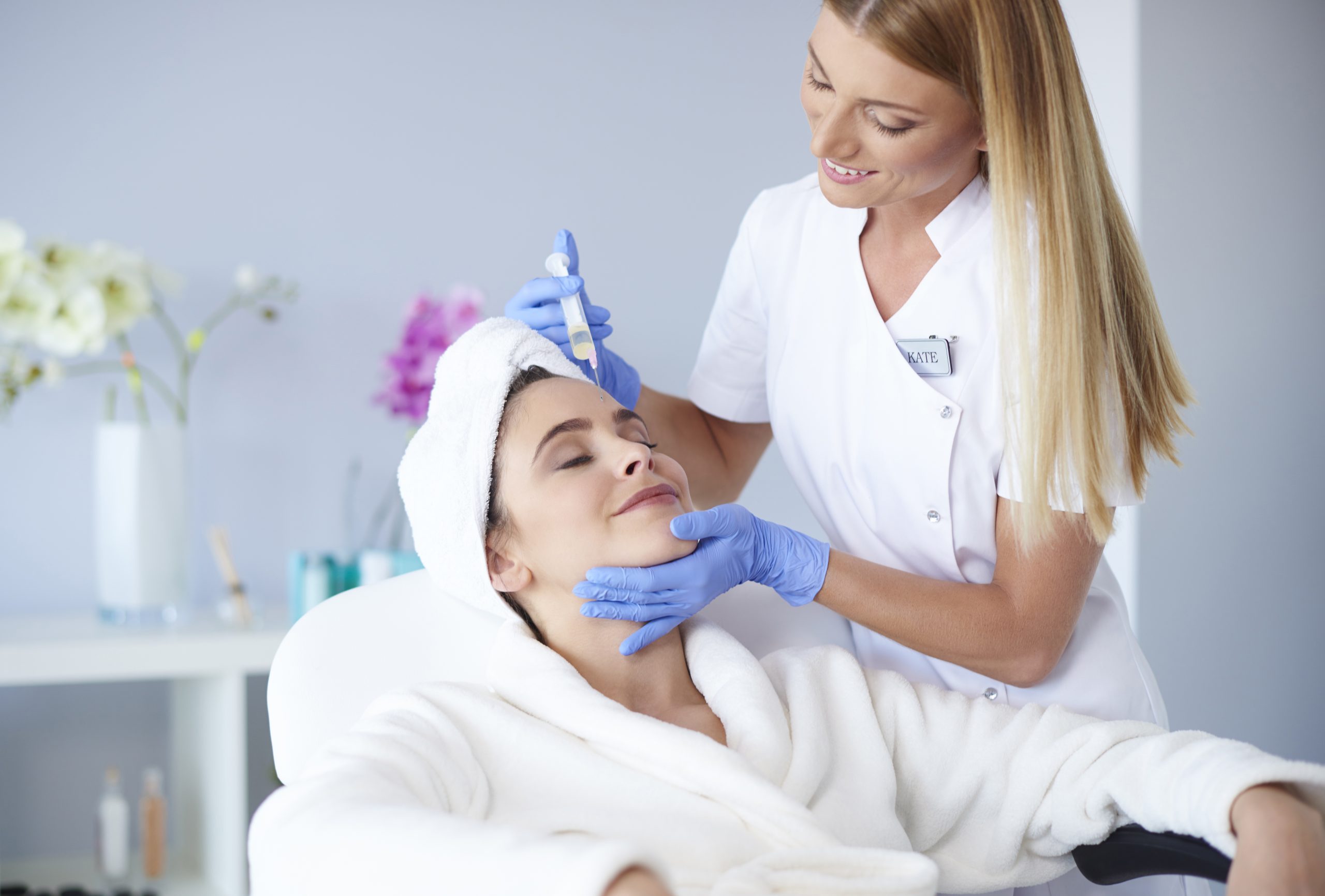
Botox, a sought-after non-surgical cosmetic treatment, is readily accessible throughout the UK. It is primarily used to reduce the appearance of facial wrinkles and is administered by qualified professionals in licensed clinics. The treatment works by temporarily inhibiting muscle contractions that cause wrinkles, particularly in the forehead, around the eyes (crow’s feet), and between the eyebrows (frown lines).
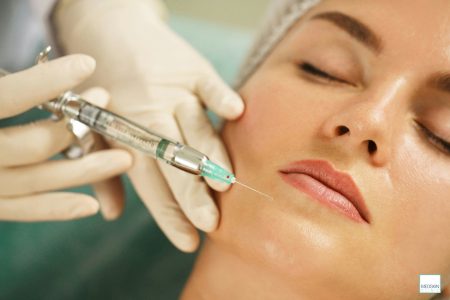

Patients can find Botox treatments at a variety of aesthetic clinics and dermatology practices, all of which adhere to the stringent regulatory requirements set by the Care Quality Commission. This regulatory framework ensures that the procedures performed are both safe and effective for clients.
Common applications of Botox found in dermatology practices across Britain include:
- Forehead lines
- Crow’s feet
- Frown lines
- Neck bands
- Excessive sweating (hyperhidrosis)
- Jawline contouring
- Correcting a gummy smile
- Addressing facial asymmetry
Demand for Botox has increased significantly in the UK, particularly in urban areas where aesthetic treatments are widely sought. Many clinics conduct thorough consultations to ensure that clients receive personalised treatment plans that align with their unique needs and aesthetic aspirations.
How Do Anti-Ageing Creams Function in UK Beauty Routines?
Anti-ageing creams are a key part of the daily beauty routines of countless individuals across the UK. These formulations are designed to hydrate, nourish, and protect the skin while effectively targeting visible signs of ageing, including fine lines, wrinkles, and uneven skin tone. Popular UK brands, including Boots and The Body Shop, offer creams that incorporate ingredients tailored to typical British skin types, often influenced by local climatic conditions, such as humidity and environmental pollution.
To maximise the efficacy of anti-ageing creams, it is vital to incorporate them into a consistent daily skincare regimen. Here are some useful tips for effective application:
- Apply to clean, dry skin to enhance absorption.
- Follow up with a moisturiser to lock in hydration.
- Use sunscreen daily to protect against harmful UV exposure.
- Consider using night creams designed to work while you sleep for additional benefits.
- Gently massage the cream into the skin to promote circulation.
- Maintain consistency in application to achieve visible results.
By following these best practices, individuals can significantly enhance the effectiveness of their selected products and address specific skincare concerns arising from the UK’s unique environmental conditions.
What Common Ingredients Are Found in Anti-Ageing Creams Formulated for the UK Market?
Anti-ageing creams specified for the UK market typically contain a curated blend of ingredients designed to combat environmental factors that contribute to skin ageing. For example, prions in urban areas such as London can induce oxidative stress, accelerating the process. Consequently, many creams are infused with antioxidants such as vitamin C, green tea extract, and niacinamide, which neutralise free radicals and provide robust protection for the skin.
Additionally, ingredients such as hyaluronic acid and retinol are commonly found in UK anti-ageing formulations, as they deliver deep hydration and stimulate collagen production, respectively. Key ingredients frequently included are:
- Retinol – enhances cell turnover and collagen synthesis.
- Hyaluronic acid – provides hydration and plumps the skin.
- Peptides – support skin repair and promote firmness.
- Glycolic acid – exfoliates and brightens the complexion.
- SPF – shields against sun-induced ageing.
- Vitamin E – nourishes and fortifies the skin barrier.
- Ceramides – restore the skin’s natural moisture barrier.
- Coenzyme Q10 – boosts energy production within skin cells.
These ingredients collectively address the challenges skin faces, particularly in urban environments where pollution and fluctuating weather conditions can harm skin health. Consistent use of these products, alongside a healthy lifestyle, can lead to significant improvements in skin texture and overall appearance over time.
How Does Botox Compare with Anti-Ageing Creams in the UK?
What Factors Contribute to the Popularity of Botox Among UK Users?
Botox has gained immense popularity among UK users for various compelling reasons. The treatment is often perceived as an effective, rapid solution for visible signs of ageing, appealing particularly to individuals with hectic lifestyles who may not have the time or patience for extensive skincare routines. The cost of Botox treatments varies across the UK, but they are generally considered a worthwhile investment compared with the ongoing costs of anti-ageing creams.
A significant driver of Botox’s growth is the rising number of cosmetic procedures, as more individuals choose to enhance their appearance through minimally invasive treatments. Salons in urban hubs such as Manchester have reported a surge in clients seeking Botox, reinforcing its status as a leading anti-ageing option.
Cost comparisons further underscore the appeal of Botox. While high-quality anti-ageing creams can accumulate significant amounts over time, especially with regular replacements, a single Botox treatment can provide effects that last for several months, making it a more financially viable solution in the long term. This financial aspect, coupled with the immediate results typically associated with Botox, makes it an enticing choice for many consumers.
What is the Duration of Effects from Botox Compared to Creams in UK Settings?
The duration of Botox’s effects compared with anti-ageing creams is a crucial consideration for individuals evaluating treatment options. Generally, the effects of Botox can last 3 to 6 months, with some patients seeing improvement for up to a year, depending on individual factors such as metabolism and the specific treatment area. In contrast, the results from anti-ageing creams are often subtler and require consistent application to maintain any visible change.
Patient experiences in regions such as Scotland indicate that those who opt for Botox often appreciate the immediacy of results, as fine lines and wrinkles can significantly shorten after the treatment. Research published in British medical journals supports these observations, indicating that while Botox provides a rapid solution, anti-ageing creams can contribute to long-term skin health when integrated into a comprehensive skincare regimen.
For instance, individuals who combine Botox treatments with high-quality anti-ageing creams often report greater benefits, as the creams continue to hydrate, protect, and nourish the skin, helping it remain healthy and vibrant between Botox sessions. This integrated approach has gained popularity among skincare enthusiasts across the UK.
What Potential Side Effects Should Be Considered in the UK Contexts?
Both Botox and anti-ageing creams carry their side effects, which is an important consideration for consumers in the UK. Botox, while generally recognised as safe when administered by trained professionals, can lead to temporary side effects such as bruising, swelling, and headaches. In rare cases, more severe effects such as drooping eyelids or facial asymmetry can occur if the treatment is not performed properly. Ageing creams may cause irritation, redness, or allergic reactions, particularly in individuals with sensitive skin or those using products with high concentrations of active ingredients. The British Association of Dermatologists recommends conducting patch tests before introducing new creams to mitigate the risk of adverse reactions.
When considering either option, it is essential to consult qualified practitioners who can provide thorough skin assessments and recommend appropriate treatments. Furthermore, being informed about potential side effects and ensuring that reputable clinics administer treatments can significantly reduce risk. Patients are encouraged to maintain open communication with their practitioners to discuss any concerns that may arise during and after treatments.
Expert Insights: Is Botox a Superior Choice Compared to Anti-Ageing Creams?
How Do Experts in the UK Assess the Efficacy of Botox?
Experts in urology use user-generated data to evaluate the efficacy of Botox treatments. A critical factor is the skill practitioner’s experience and reputation, as their expertise can profoundly influence the results. Patients are encouraged to seek out practitioners with recognised qualifications and a proven track record in aesthetic treatments.
Studies conducted in London have shown that Botox can significantly improve the appearance of fine lines and wrinkles, enhancing facial aesthetics. The consensus among dermatologists is that while Botox delivers immediate results, its long-term effectiveness relies on a patient’s commitment to follow-up treatments and ongoing maintenance.
Dermatologists often discuss patients’ specific goals and expectations. This dialogue enables practitioners to tailor their approach, potentially combining Botox with other treatments to achieve optimal outcomes. For example, integrating skincare products can complement the effects of Botox, ensuring sustained skin health.
What Are the Professional Recommendations for Anti-Ageing Creams in the UK?
In the realm of anti-ageing creams, UK beauty experts frequently emphasise the importance of choosing formulations that are clinically tested and approved by relevant regulatory bodies. Products that incorporate well-researched ingredients, such as retinol and hyaluronic acid, provide proven benefits in combating the signs of ageing.
Beauty professionals often recommend that consumers consider their skin type and concerns when selecting a cream. For instance, individuals with oily skin may benefit from lightweight, gel-based formulations, while those with dry skin might prefer richer creams that deliver intensive hydration. Additionally, products containing SPF are vital for safeguarding against sun damage, a leading contributor to premature ageing.
Experts advise consumers to seek certifications from recognised bodies to ensure quality and safety. Regular consultations with dermatologists can yield personalised recommendations that align with individual skincare requirements, thus maximising the effectiveness of the chosen products.
What Key Expert Advice Exists on Combining Treatments in the UK?
Combining treatments is a strategy increasingly endorsed by UK aesthetic professionals, who recognise that an integrated approach can lead to superior results. For instance, pairing Botox with high-quality anti-ageing creams can help maintain skin texture and hydration between treatments, providing a more comprehensive anti-ageing solution.
Experts suggest that patients consider their overall skincare routines when planning treatments. For example, those opting for Botox may benefit from using serums rich in antioxidants and hydrating agents to support skin health during treatment. Lifestyle choices such as maintaining a balanced diet, staying hydrated, and following a consistent skincare regimen can greatly enhance treatment outcomes.
Regular consultations with aesthetic practitioners can further refine treatment plans as skin ages and changes. By integrating both professional treatments and at-home skincare, individuals can achieve lasting results that enhance their appearance and boost confidence.
What Are the Key Differences Between Botox and Anti-Ageing Creams in the UK?
Application Methods Preferred in UK Beauty Practices
The application methods for Botox and anti-ageing creams illustrate distinct preferences within UK beauty practices. Botox is typically administered by injection to target specific facial muscles precisely. This procedure is performed in clinical settings to ensure sterility and professional oversight. Patients often appreciate the quick process, which typically lasts under an hour, making it convenient for those with busy schedules.
In contrast, anti-ageing creams are applied topically as part of daily skincare routines. This process is straightforward and can be performed at home. In regions like Wales, there is a cultural preference for non-invasive options, which leads to a strong emphasis on topical treatments that complement Botox or serve as an alternative for those hesitant to pursue injections.
The choice between these two application methods often hinges on individual preferences and lifestyle factors. While many individuals embrace the immediate results of Botox, others may favour the gradual improvements offered by consistent use of anti-ageing creams, making them a popular choice for those seeking to enhance their beauty routine without medical intervention.
Why Do Costs Vary for Botox and Anti-Ageing Creams Across the UK?
Several factors, including geographic location, provider expertise, and product quality, drive cost variations for Botox and anti-ageing creams across the UK. In larger cities like London, the perceived increase in operating expenses is associated with. Conversely, in small rural areas, practitioners may offer more competitive pricing to attract clients.
When it comes to anti-ageing creams, pricing can vary significantly based on brand reputation, ingredient quality, and packaging. High-end brands often command premium prices, while local or lesser-known brands can provide effective alternatives at lower costs. Consumer trends also influence pricing, as certain products may experience temporary price increases due to growing popularity.
Understanding these factors can empower consumers to make informed choices aligned with their budgets and desired outcomes. Many individuals opt for a combination of treatments to balance costs, investing in Botox for immediate results while utilising more affordable creams for ongoing skincare maintenance.
How Effective Are Botox and Anti-Ageing Creams for Specific UK Skin Concerns?
When evaluating the effectiveness of Botox compared to anti-ageing creams for specific skin concerns common in the UK, it is essential to recognise their differing mechanisms of action. Botox excels in addressing dynamic wrinkles, which are caused by muscle movement, such as frown lines and crow’s feet. Conversely, anti-ageing creams focus on enhancing skin texture, hydration, and elasticity over time.
Common concerns among UK consumers include sun damage, which can lead to pigmentation, and dryness caused by the country’s fluctuating weather. Botox can deliver immediate relief from visible wrinkles, while creams containing ingredients such as retinol or vitamin C can help repair and rejuvenate the skin over time.
User feedback suggests that a combination approach may yield the most effective results. By employing improvement and complementing with targeted anti-ageing creams, individuals can effectively address immediate and long-term skin concerns, elevate energy to help maintain a youthful appearance, and support skin health.
What Are the Potential Side Effects and Safety Protocols in the UK?
Both Botox and anti-ageing creams come with associated side effects, necessitating adherence to safety protocols in the UK. Botox, while generally considered safe, may result in temporary side effects such as bruising, swelling, or headaches. Patients are advised to select clinics with certified practitioners and to discuss their medical history and any concerns during the consultation to ensure their safety.
Anti-ageing creams may irritate, particularly in individuals with sensitive skin or when using potent formulations. The NHS recommends patch testing new products before widespread application to mitigate the risk of adverse reactions. Consumers should also be vigilant about ingredient labels and avoid ingredients that may cause irritation or allergic reactions.
Public awareness campaigns in regions like Scotland encourage safe practices and informed choices regarding aesthetic treatments and skincare products. By educating consumers about potential risks and safety measures, healthcare professionals aim to empower individuals to make responsible decisions about their beauty routines.
What Are the Regulatory Approvals and Accessibility Across the UK?
The regulatory landscape for Botox and anti-ageing creams within the UK is governed by bodies such as the MHRA (Medicines and Healthcare products Regulatory Agency). Botox is classified as a prescription medicine and must be administered by qualified professionals in licensed clinics. This regulatory framework ensures that only trained practitioners carry out the treatment, enhancing both safety and efficacy.
In contrast, anti-ageing creams are generally regarded as cosmetics and do not undergo the same level of regulatory scrutiny. However, reputable brands ensure compliance with safety standards and labelling regulations to safeguard consumers. Accessibility varies across regions, with urban areas typically offering a broader range of skincare options than rural areas, underscoring that the regulatory framework can significantly affect consumer choices. Individuals are encouraged to seek certified clinics for Botox treatments and to choose well-reviewed, reputable brands for anti-ageing creams, ensuring they invest in safe, effective products that meet their skincare needs.
Research-Backed Benefits: Is Botox Better Than Anti-Ageing Creams?
What Evidence from UK Studies Supports Botox Use?
Research conducted by UK institutions has highlighted the numerous benefits associated with reic dermatology. Studies indicate that Botox injections can lead to substantial improvements in the appearance of fine lines and wrinkles, with many patients expressing satisfaction with their results. For example, patient trials in England have shown that individuals often experience increased self-esteem and confidence after Botox treatments.
Clinical data reveal that Botox provides immediate results, significantly reducing the appearance of dynamic wrinkles. Furthermore, research suggests that patients receiving regular Botox treatments may experience longer-lasting effects as underlying muscle activity is reduced.
Overall, the evidence from these studies supports the efficacy of Botox as a premier anti-ageing solution, particularly for individuals seeking prompt aesthetic enhancements. This has solidified its standing as a preferred choice within the UK aesthetic community.
What Are the Benefits of Anti-Ageing Creams According to UK Trials?
Clinical trials conducted in the UK have identified benefits associated with the use of anti-ageing creams. Many formulations have demonstrated effectiveness by diminishing signs of ageing and enhancing texture and hydration. Ingredients such as retinol and peptides have been shown to stimulate collagen production and improve elasticity.
In addition to benefits, anti-ageing creams often include protective agents that combat environmental stressors, such as pollution and UV exposure. Studies have shown that consistent use can lead to cumulative improvements in skin health, with users reporting a more youthful appearance over time.
Consequently, while the immediate effects of anti-ageing creams may not be as pronounced as those of Botox, the long-term benefits can be substantial. Integrating these creams into a daily skincare routine can support ongoing skin health and effectively combat the ageing process.
What Long-Term Advantages Do Experts Note in the UK?
Experts in the UK highlight several long-term benefits associated with both Botox and anti-ageing creams. One notable advantage of Botox is its ability to prevent wrinkles by limiting muscle movement in treated areas. Over time, patients who maintain regular treatments may find that their skin appears younger for longer, as the ageing process is delayed.
For anti-ageing creams, the loerm advantbenefitsften correlassociatedcontinconsistentf products containing effective ingredients. Dermatologists note that users who consistently apply creams featuring retinol or hyaluronic acid can experience lasting improvements in skin texture, hydration, and overall complexion. These benefits accumulate over time, making ongoing care essential for achieving optimal results.
Ultimately, both treatments provide valuable long-term benefits: Botox offers immediate effects, while creams support gradual, sustained improvements. An integrated approach that incorporates options can yield comprehensive anti-ageing benefits. Do Comparative Effectiveness Trials of Botox and Anti-Ageing Creams Fare in UK Settings?
Comparative trials conducted in the UK have assessed the effectiveness of Botox versus anti-ageing creams, yielding valuable insights for consumers. While Botox is renowned for its cadelivering results, particularly in reducing dynamic wrinkles, anti-ageing creams providoffere gradual approach to skincare.
Patients have reported varying levels of satisfaction with both options, often contingent upon their individual skin concerns and treatment objectives. For instance, those seeking immediate results for deep lines may favour Botox, while individuals focused on overall skin health and prevention might prefer an anti-ageing cream regimen.
Furthermore, cost considerations significantly influence treatment decisions. Many UK consumers weigh the upfront costs of Botox against the ongoing expenses of creams. Feedback from diverse British demographics suggests that combining both methods—utilising Botox for targeted wrinkle reduction while and ms for daily skincare—may yield the best results in achieving immediate and long-term anti-ageing goals.
Emerging Trends in Anti-Ageing Treatments in the UK
What Are the Trends in Botox Adoption Among UK Demographics?
Botox adoption has surged among diverse UK demographics. Recent surveys from the UK beauty industry illustrate that the treatment is particularly favoured by adults aged 30 to 50, with a notable increase in acceptance among younger individuals seeking preventive measures against signs of ageing.
This trend is especially pronounced in urban areas, where aesthetic clinics have reported a marked increase in clientele. For example, cities like London and Manchester have witnessed a significant rise in Botox treatments among both men and women, as societal attitudes continue to evolve, reducing stigma surrounding cosmetic enhancements.
Demographic statistics highlight the growing appeal of Botox treatments:
- 30% increased demand among individuals aged 25-35.
- 45% of women aged 35-50 are actively considering Botox.
- 20% growth in treatment popularity among male clients.
- 50% of respondents perceive Botox as an acceptable anti-ageing option.
As awareness and acceptance of cosmetic procedures continue to rise, Botox is likely to maintain its position as a leading choice for those seeking effective anti-ageing solutions within the UK.
What Are the Leading Anti-Ageing Cream Brands in the UK Market?
The UK market features a broad spectrum of anti-ageing cream brands catering to various skin types and concerns. Prominent retailers such as Boots and The Body Shop showcase both established and emerging brands, ensuring consumers have access to effective products that meet their needs.
Some of the leading brands include:
- *Olay* – renowned for its affordable yet effective formulations.
- *No7* – a popular choice due to its clinically proven products.
- *L’Oréal* – offers an extensive range of anti-ageing creams featuring cutting-edge technology.
- *Estée Lauder* – known for luxurious formulations that deliver visible results.
- *CeraVe* – favoured for its focus on moisturisation and barrier repair.
- *Clinique* – provides dermatologist-developed products for diverse skin concerns.
- *Lancôme* – combines luxury with effective anti-ageing ingredients.
- *Vichy* – harnesses thermal water for its hydrating and soothing properties.
Consumers are encouraged to explore these brands and read reviews to identify products that align with their unique skincare needs. With a focus on quality ingredients and proven effectiveness, these brands continue to set the benchmark in the UK ageing cream market. Do User Preferences for Treatments Vary Across Different UK Settings?
Multiple factors, including lifestyle, location, and individual skin concerns, influence user preferences for anti-ageing treatments. In urban environments, individuals often opt for Botox treatments due to the immediacy of results and the convenience of clinics that are easily accessible within their busy schedules.
Conversely, in rural areas, there is typically a stronger inclination towards anti-ageing creams, as individuals may favour home-based solutions that can be integrated into their daily skincare routines. Consumer feedback indicates that those in more remote settings appreciate gradual improvements and tend to invest in high-quality creams that deliver long-term benefits.
Additionally, lifestyle factors such as age and professional environment can influence preferences. For instance, younger demographics may gravitate toward preventive treatments and creams, while older individuals might seek out more immediate solutions through Botox. This variety underscores the need for tailored skincare approaches, ensuring that individuals select treatments that align with their specific needs. Might someone opt for Botox Over Creams?
What Personal Factors Drive Botox Decisions in the UK?
Personal factors significantly shape the decision to choose Botox over anti-ageing creams in the UK. Many individuals are drawn to its instant results, particularly those with busy schedules who struggle to find time for a lengthy skincare routine. Testimonials from UK residents often highlight the quick application process and noticeable results, making it an appealing option.
Moreover, social factors play a pivotal role. As public acceptance of aesthetic treatments continues to rise, individuals may feel more comfortable discussing their choice to pursue Botox. Peer influence and exposure to social media can also drive interest in Botox, as many people aspire to achieve the youthful looks showcased by influencers and celebrities.
Additionally, some patients report that previous experiences with anti-ageing creams have not met their expectations, prompting them to explore Botox as a more reliable option for achieving their desired results. For these individuals, the urgency for rapid improvement often outweighs the commitment required for consistent cream application.
How Do Results Differ for Specific UK Needs?
The results of Botox compared to anti-ageing creams may vary significantly based on specific needs and concerns prevalent in the UK. For instance, during the colder British winters, many individuals experience dry skin and more visible lines, making Botox a sought-after option for immediate rejuvenation. The treatment effectively reduces the appearance of dynamic wrinkles, providing quick results that can be particularly appealing during social events.
Conversely, anti-ageing creams may yield more gradual improvements that focus on enhancing health. Products containing nourishing ingredients can help combat dryness and maintain hydration levels, which are crucial during the colder months. Users frequently report improved skin texture and resilience with consistent cream application, leading to longer-term benefits.
Case studies from UK clinics indicate that individuals who combine Botox treatment with effective anti-ageing creams experience optimal outcomes. By addressing both immediate and long-term skincare needs, this comprehensive approach addresses unique challenges posed by the British climate.
What Lifestyle Changes Support These Choices in the UK?
Adopting lifestyle changes can significantly enhance the effectiveness of both Botox and anti-ageing creams in the UK. A holistic approach that integrates healthy habits with treatment strategies can improve outcomes and sustain skin vitality.
UK health experts recommend several complementary habits, such as:
- Staying hydrated – drinking ample water supports skin elasticity.
- Maintaining a balanced diet rich in antioxidants, such as fruits and vegetables, can combat oxidative stress.
- Minimising sun exposure – protecting skin from UV damage preserves its youthfulness.
- Practising a consistent skincare routine ensures continuous nourishment for the skin.
- Engaging in regular exercise promotes circulation and overall skin health.
- Avoiding smoking and excessive alcohol consumption – both can hasten skin ageing.
- Getting sufficient sleep allows for skin repair and rejuvenation.
- Managing stress reduces the likelihood of stress-related skin issues.
By implementing these lifestyle changes, individuals can maximise the benefits of their chosen anti-ageing treatments, ensuring both immediate and long-lasting results. A comprehensive approach that combines professional treatments with healthy habits lays the groundwork for maintaining youthful skin in the UK.
Final Considerations on Anti-Ageing Options in the UK
What Are the Pros and Cons for UK Consumers?
For UK consumers contemplating their anti-ageing options, weighing the advantages and disadvantages of Botox versus anti-ageing creams is crucial. Botox provides immediate results, making it particularly appealing for those seeking rapid enhancements to their appearance. However, the treatment necessitates regular maintenance and can entail higher upfront costs.
Anti-ageing creams, while generally more affordable and accessible, may take time to yield visible results and require consistent application. Consumers must evaluate their individual needs, preferences, and financial capabilities to determine which option is most suitable for them. The optimal approach may involve a combination of treatments, leveraging the immediate benefits of Botox alongside ongoing care with creams.
What Future Developments Can Be Anticipated in UK Anti-Ageing Solutions?
Looking ahead, the UK anti-ageing market is poised for significant growth. With ongoing progress in dermatological research and cosmetic formulations, innovative treatments and products are likely to emerge, offering consumers new options to combat the signs of ageing.
Areas of focus include integrating integrative medicine into skincare and developing effective, natural ingredients. These advancements aim to improve product performance while addressing consumer demand for safe, non-invasive treatments that deliver visible results.
As the industry evolves, consumers can expect more tailored solutions for diverse skin concerns and preferences, ensuring that effective solutions remain accessible in the UK market.
How Can One Make an Informed Decision in the UK Context?
For consumers, making informed decisions regarding ageing treatments is crucial. Individuals are encouraged to consult with qualified dermatologists and aesthetic practitioners to assess their specific needs and aspirations. By understanding the distinctions between Botox and anti-ageing creams, consumers can select treatments that align with their lifestyle and preferences.
Additionally, staying informed about product ingredients, potential side effects, and treatment protocols can empower individuals to make choices that prioritise their skin health and aesthetic goals. In an ever-evolving industry, knowledge serves as a powerful tool for achieving lasting beauty and confidence.
FAQs
What is Botox, and how does it work?
Botox is a cosmetic treatment that involves injecting botulinum toxin into specific facial muscles to temporarily reduce the appearance of wrinkles and fine lines by preventing muscle contractions.
How long do the effects of Botox last?
The effects of Botox typically last between three and six months, depending on individual factors such as metabolism, treatment area, and frequency of use.
Are there any side effects associated with Botox?
Common side effects of Botox include bruising, swelling, and headaches. Rarely, more severe reactions can occur, such as drooping eyelids or facial asymmetry.
How do anti-ageing creams work?
Anti-ageing creams often contain active ingredients that hydrate, nourish, and protect the skin while targeting signs of ageing, such as fine lines and wrinkles, through regular use.
What ingredients should I look for in anti-ageing creams?
Key ingredients to consider include retinol, hyaluronic acid, peptides, and antioxidants, all of which contribute to skin rejuvenation and protection against environmental stressors.
Can I use Botox and anti-ageing creams together?
Yes, combining Botox with anti-ageing creams can enhance results, as Botox addresses immediate wrinkles while creams support overall skin health and hydration.
How much does Botox cost in the UK?
The average cost of Botox in the UK ranges from £150 to £500 per treatment, depending on the area being treated and the clinic’s location.
Are anti-ageing creams effective for all skin types?
Many anti-ageing creams are formulated for sensitive skin types, but it is essential to choose products tailored to individual skin concerns and sensitivities for optimal results.
How often should I use anti-ageing creams?
For best results, anti-ageing creams should be used daily as part of a regular skincare routine, with specific products applied in the morning and evening as directed.
What is the best age to start using Botox or anti-ageing creams?
The best age to begin using these treatments varies by individual. Still, many start using anti-ageing creams in their late 20s and opt for Botox treatments in their 30s or 40s, depending on their skin condition and personal preferences.